…Inspiration in a modern city built in the middle of the desert

…Says ready to enforce vision with robust engagements
About 4000 ‘articulate’ young people in Rivers State have submitted a roadmap for the development of the state titled: ‘Rivers 2050 Our Vision’. The objective is said to be to put an end to ‘policy wandering’.
The booklet is packaged in 144 pages of 10 chapters anchored by Ebenezer Wikina. The book seeks the urgent start of the development journey of the oil-rich but politically ravaged state in four sections: Education, Employment, Energy, and Economic diversification.
Unveiling the book at the Arena in the GRA 2, Wikina revealed how the inspiration dropped in his mind at an international airport in Doha, the middle of a beautiful modern city built in the desert.
He revealed further: “Four years ago today, I was wearing my ‘Made in Port Harcourt’ T-shirt, transiting through Doha, Qatar. At the airport, a strange uneasiness came over me. I was astonished by what this small nation, the same size as Rivers State, had built in the middle of the desert.
“Searching for the answer to how they did it set me on a journey that has led us here, exactly four years later.”
This was the inspiration for ‘Rivers 2050 Vision’, which he quickly dubbed the first citizen-led vision in Nigeria’s history. “More than 4,000 residents across the 23 local government areas contributed to this vision, over 150 young people volunteered on the Task Force, and over 100 experts gave their time to design this blueprint for the next 25 years.
“It became necessary because the last time Rivers State had a long-term plan was 1975, when our 24-year-old governor, Commander Alfred Diete-Spiff, launched the Rivers State Development Plan.
“As a generation, we could not imagine a future for our children if we kept going without one. The timing matters too. We stand at the edge of an important election in our history as a state and a country, and next year Rivers State turns 60. A state that old should not walk into its diamond jubilee without a plan.”
He said the book took almost two years. “It has 15 thematic goals. They include making Rivers State University a top-3 university in Nigeria by 2032, welcoming two million tourists by 2040, raising life expectancy from 54 to 75, and restoring our environment, from Ogoniland to Bile. It took an entire village, and I want to thank that village that made this project possible.”
He showed how his policy planning prowess was honed at some of the best non-governmental organisations such as the Foundation for Partnership Initiatives in the Niger Delta (PIND) and hailed Chuks Ofulue: “I was part of the advocacy team that designed development plans in Abia, Cross River and Edo States. That experience stayed with me and shaped this vision.
Wikina sent a strong message to the current leaders of Rivers State and pleaded with former governors Chibuike Rotimi Amaechi, Nyesom Wike, and Sim Fubara: “We admire your ambition to lead this country, but let it not come at the cost of destroying our state.
“Posterity will judge you not just by what you did in office, but by what you do outside it. Let us put aside the toxic politics that have kept us back, and move forward as one people with one vision, one conviction and one purpose.”
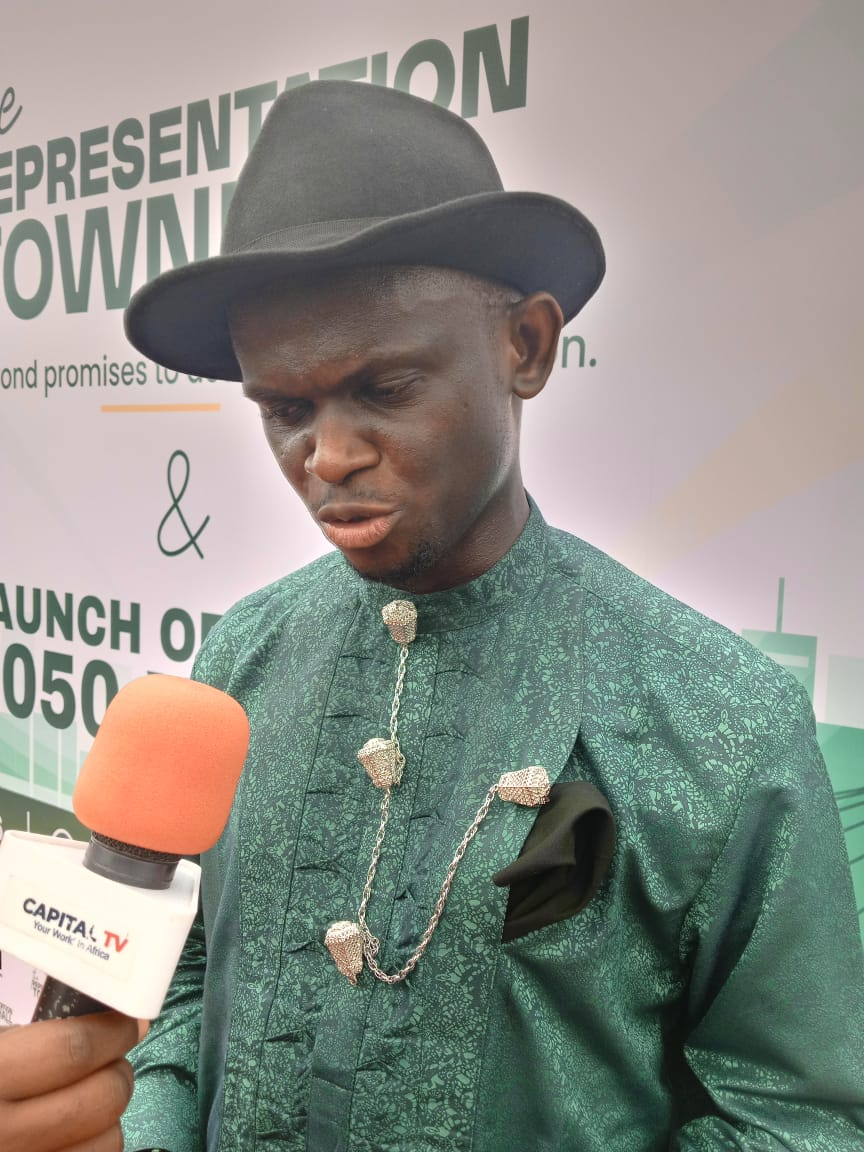
To every Rivers man and woman: “We have articulated the future we want. Now it is time to demand it. Read this vision. Internalise it. Share it. In this election and every election to come, demand that our leaders rise to the level of this ambition. It is the only way to build a prosperous state we can leave for future generations.”
“To Nguvu Collective, my Policy Shapers founding team, and the NGFP and School of International Futures family, watching from all over the world: thank you for joining me on these insane adventures.
“Rivers 2050 is now one of the world’s case studies of citizen-led foresight, and we could not have done it without you.”
He gave huge credits to the more than 100 experts and partners in the book’s honour roll, and to Adaeze Oreh (Peter Odili’s first daughter), now a young professor of medicine who was keynote speaker, who he said supported the project when many in government were afraid to engage with the team.
He said: “You are a true role model to our generation in excellence and professionalism. Thank you for your support for Rivers 2050 and for Policy Shapers as an organisation.”
Asking her to extend goodwill to her father, Wikina said Odili has led both the old and the new Rivers State, “And we were honoured to have his perspective on where we are coming from and where we could go together as a state.”
Implementation strategy imbedded:
On how such a huge plan would be implemented, Wikina said the book has an implementation strategy, which explains the various roles that each group, each subgroup—what the citizens will do, what the government will do, what the private sector will do, what the House of Assembly will do, and even what the executive, the governor and their cabinet, will do.
“One of the ways that we want to push this forward is that, starting next year (2027), we want to push for a ‘Wellbeing of Future Generations Act’, a Rivers State Future Generations Bill, with the new House of Assembly, hopefully post-election, to ensure there’s a law that mandates the government to invest and save for the future of Rivers State.
“Most of what happens now is that allocation comes into the state and all of it gets spent on projects. But how do we ensure that we’re able to save money enough so that we can invest in enterprises and businesses that will generate profits for the state, so that our future generations, our children and those who will come after us, will have a state to inherit? During the design, we brought all these stakeholders together, from the private sector, from civil society, etc.
In his welcome speech, Akindeji Aromaye, Senior Media Associate at EiE Nigeria, who were glad to be in Rivers State collaborating with Policy Shapers.
He said the presentation would be followed by ‘The Representation Townhall’ where citizens would engage candidates seeking elective office ahead of the 2027 General Elections.
“We are here because we believe that in a democracy, the people are not spectators. They are the reason the system exists. Every public office is held in trust for the people. Whether it is the office of governor or a seat in the National Assembly, those seeking these positions must be able to explain what they intend to do with the mandate they are asking citizens to give them.”
He said the group wished to move the conversation of the 2027 elections from personalities to priorities. “Elections should be about more than who is popular, who is powerful or who can spend the most.
“They should be about the issues that affect people’s daily lives: jobs, security, healthcare, education, infrastructure and the cost of living. The Rivers 2050 Vision, which we will launch shortly, offers an opportunity to think beyond the next election and consider the kind of state its people want to build over the coming decades. But that future will also be shaped by the decisions made today and the leaders citizens choose to put in positions of responsibility.
“This is where the two engagements meet. As we consider the long-term aspirations for Rivers State, we must also ask those seeking office how they intend to contribute to that future.
“What are their priorities? How will they govern, represent their constituents, make responsive laws and provide effective oversight? These are questions citizens deserve answers to. To the citizens here, your participation in democracy does not end at the polling unit. Showing up, asking difficult questions and following up on what elected officials promise are equally important. Democracy works better when citizens remain engaged.”
He commended the candidates that showed up and asked them to speak plainly, be specific about their priorities and demonstrate an understanding of the people and communities they seek to serve. “The people of Rivers State deserve more than campaign slogans; they deserve to understand your plans and what you intend to do differently.”
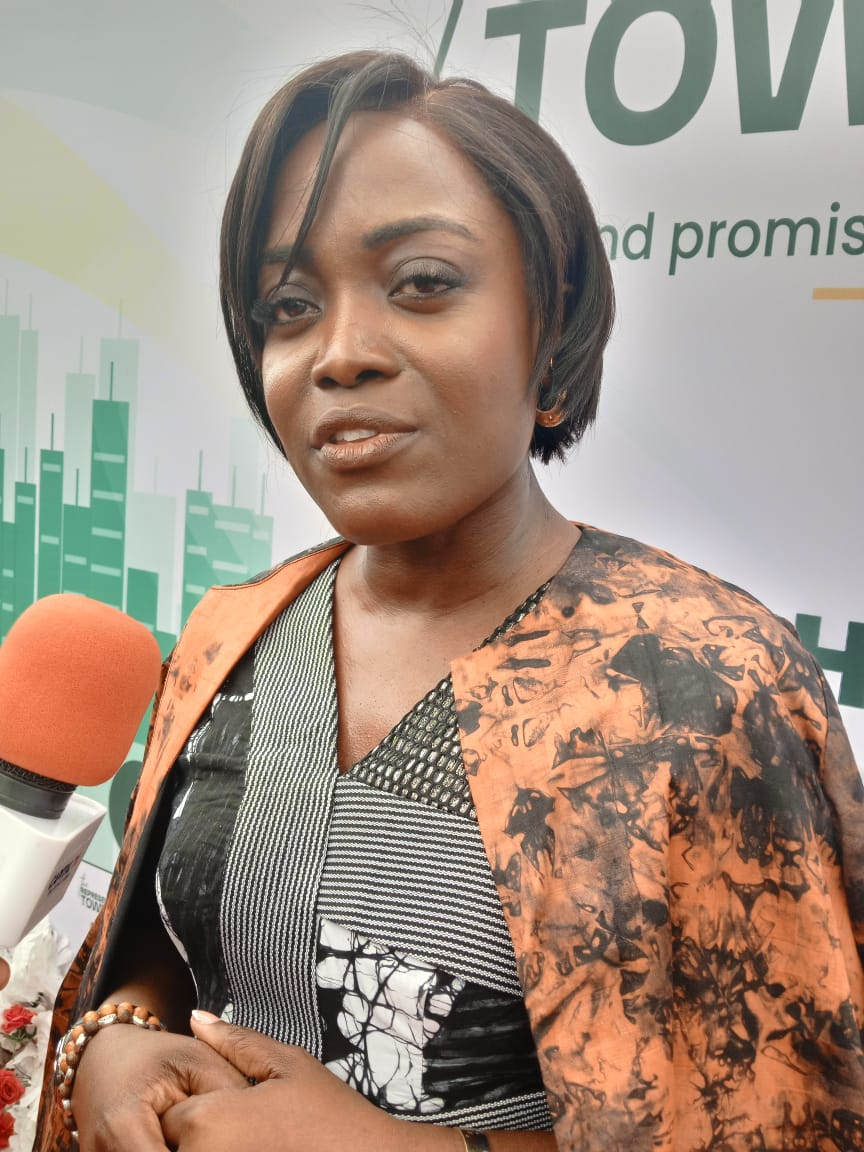
Adaeze Oreh: Health, bedrock of new vision:
In her keynote address, Oreh observed that perception could be fatal, referring to some remarks made when she was made health commissioner in the Fubara administration.
“Political office must be to serve the people, no matter how you got it. There is planning with the people and planning for the people.”
She noted that the uniqueness of the Rivers 2050 Our Vision’ is its origin because the book is a co-creation.
Oreh said Rivers State roadmap must be a transition from hydrocarbon economy to a blue economy, agric processing, tech innovations, all for sustainable job creation. She warned Nigeria that some African countries were already on ground in Europe in groceries and agric products.
She observed that in the research for the Rivers Vision 2050, the people did not ask for hospital but for dignity, for respect, for good services such as functional place at 2am that reflected regard for the people.
Oreh made it clear that all the dreams for 2050 must start from good health because that would deliver the people that would enjoy the promises of a new generation.
Later in an interview, the health expert called for the role of the youth to be guaranteed by statute.
Other voices:
Florence Kayemba Ibok-Abasi, the Country Director and Programme Manager at the Stakeholder Democracy Network (SDN), took the stage and said slogans do not mean much but that actions were needed over promises. She harped on the need to develop other sectors of the Rivers economy with less talk about plans that go nowhere.
Officials from Langvest group said people have seen economic miracles in action including Dubai. They called for creation of an infrastructure policy in Rivers State.
Chetam Nwala, the Courtist, who looks people in the face a call them out, said the Rivers society has gone too lax, saying when people do normal things, they are hailed. He said what was being unveiled on the day was due years back. “We will not run away. We will fight it out here”.
Related News


Source: