In response to recent cyberattacks on Ghana’s financial sector, the Bank of Ghana (BoG) has announced a reduction in daily transaction limits for both bank accounts and mobile money wallets. This measure aims to enhance security and protect consumers as the nation grapples with disruptions to digital banking services.
The Ghanaian central bank released a statement today detailing its collaboration with the Cyber Security Authority (CSA), commercial banks, payment service providers, and Ghana Interbank Payment and Settlement Systems Limited (GhIPSS). These organisations are currently investigating the breaches, working together to mitigate any potential threats and restore services that were disrupted.
The decision to impose transaction limits comes after numerous complaints from customers who have encountered difficulties accessing banking applications and digital payment systems over the past few days. Fortunately, the Bank of Ghana reassured the public that there is no evidence suggesting that customer deposits have been compromised during these incidents.
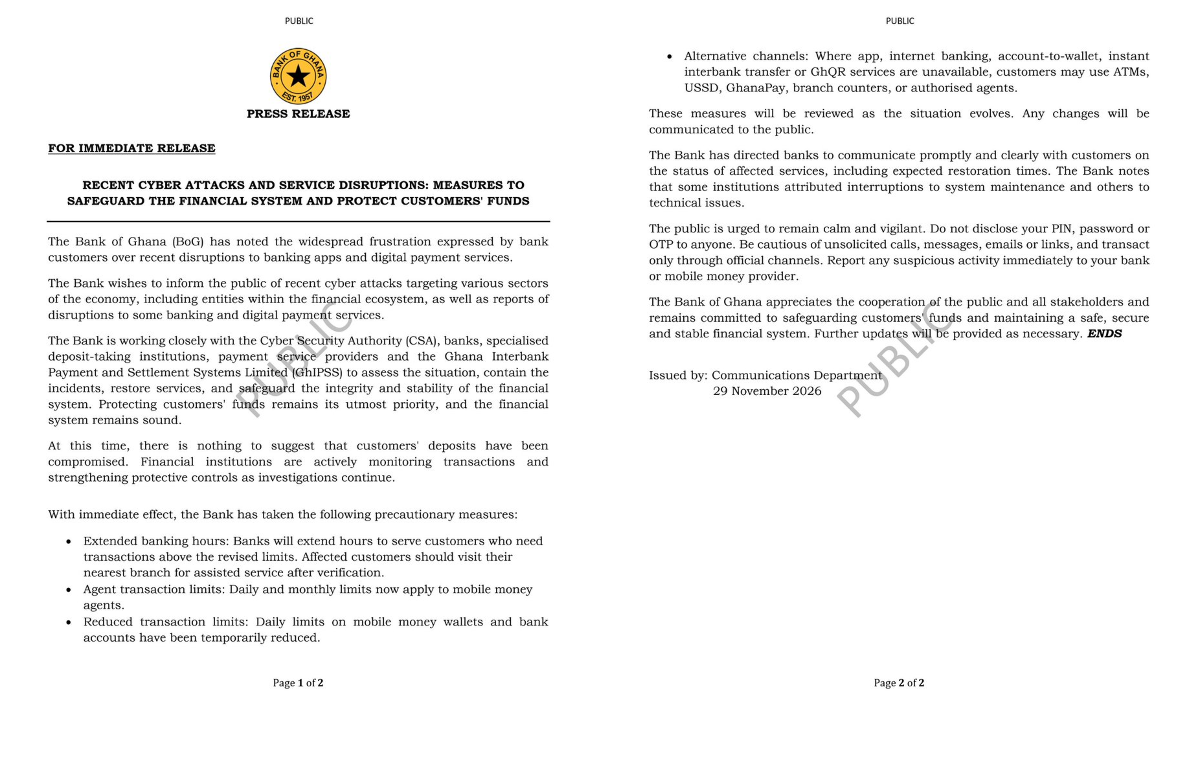
As investigations progress, financial institutions are on high alert, tightening their security measures and closely monitoring transactions to safeguard their customers. While the BoG has not disclosed which specific institutions were targeted by the cyberattacks or identified those responsible, it remains committed to maintaining the integrity of the financial system and ensuring customer safety.
Bank of Ghana orders longer banking hours and reduced transaction limits
The new restrictions have taken effect immediately and include three key precautionary measures aimed at enhancing financial security.
To start with, the daily transaction limits for mobile money wallets and bank accounts have been temporarily lowered, although the central bank has not revealed the specifics of these new limits. In addition, mobile money agents will now adhere to both daily and monthly transaction limits, ensuring a more controlled flow of funds.
Banks are also required to extend their operating hours to accommodate customers who need to process transactions that exceed the revised limits. Those affected will need to visit their nearest bank branch for verification and assistance.
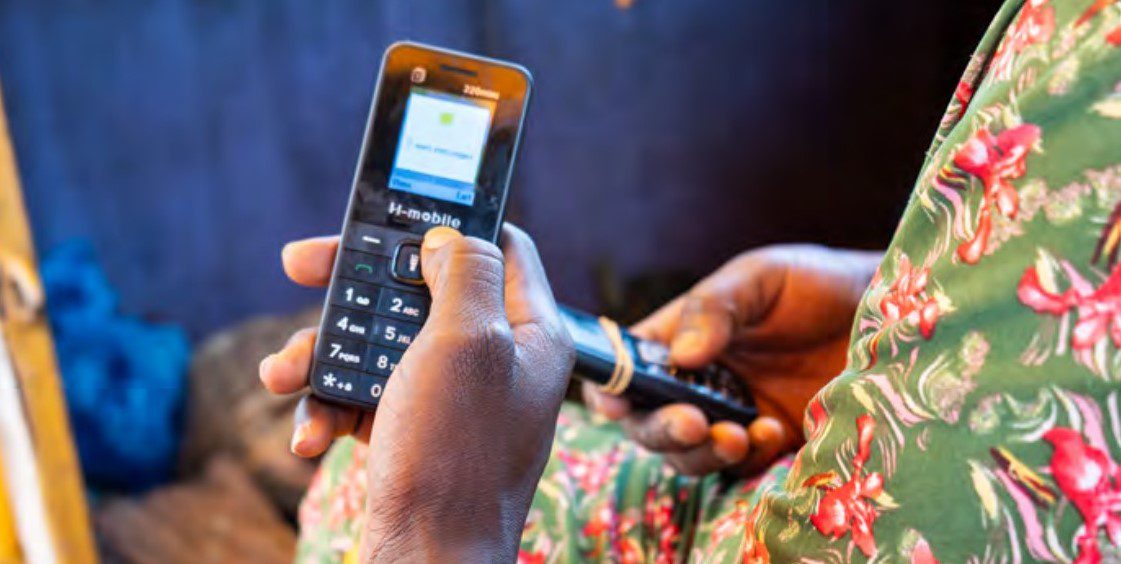
The Bank of Ghana (BoG) has recommended alternative channels for customers when traditional banking applications, internet banking, account-to-wallet transfers, instant interbank transfers, or GhQR services are not available. These alternatives include using ATMs, USSD services, GhanaPay, bank branch counters, and authorised mobile money agents.
Similar read: Bank of Ghana suspends Flutterwave, Cellulant and 6 others over breaches
The BoG emphasised that these measures will be reassessed as the situation evolves. It has instructed financial institutions to keep their customers well-informed regarding any affected services and the expected timelines for restoration.
Customers are reminded to safeguard their PINs, passwords, and one-time passwords (OTPs) and are advised against sharing this sensitive information with anyone. The bank has also cautioned the public against unsolicited calls, messages, emails, and suspicious links, urging everyone to conduct transactions only through official channels.
While some financial institutions have cited system maintenance and technical difficulties as reasons for recent service disruptions, the BoG noted an uptick in cyberattacks targeting the financial sector. However, it refrained from directly linking all reported service interruptions to these cyber threats.
The Bank of Ghana reassured customers that the protection of their funds remains its utmost priority and promised to provide further updates as investigations continue.
Read also: Binance co-founder CZ warns banks face greater AI cyberattack risks than crypto exchanges
Source: