Bolt is marking its tenth year operating in the Nigerian market, an anniversary which makes it the big brother among apps operating in the country. But it is not just the time spent in the country alone; the company is also celebrating several milestones along the way. Since its launch in 2016, the company has invested over ₦140 billion in the market, reached more than 14 million riders and created 470,000 income opportunities.
But it hasn’t been an easy ride for the e-hailing company operating in what could be described as one of the toughest e-hailing markets in the world. Low purchasing power, high costs of operation and a highly irregular regulatory environment make doing business quite a tricky affair. In a space of this nature, it behoves app companies to assume more responsibility, especially to their users and workers who depend on the platform to earn.
Read also: Blocked drivers now hire accounts to work: Drivers urge Bolt to review performance rating
For Bolt, leadership in the industry after 10 years is not just a milestone; it is a responsibility. And the company believes that responsibility goes beyond the scale of its operations to the quality of impact it has on riders, driver-partners and the communities it operates in.
“Being an established player means our decisions carry weight,” Head of Regulatory and Policy in Africa, Weyinmi Aghadiuno, said. “That places a clear obligation on us to keep raising the bar on safety, service reliability and technology, while maintaining honest, constructive relationships with regulators and other stakeholders. It also means genuinely listening to our driver-partners, the people who make the platform function every day, and ensuring their voices are part of the conversations shaping this industry.”

She also noted that its continuous presence is an ongoing opportunity to help build a mobility ecosystem in Nigeria that is more accessible, more responsible and more sustainable than the one Bolt inherited.
Beyond Lagos and Abuja, smaller markets are strategic to Bolt
Bolt has hit many milestones in the Nigerian market. One of the more important ones is operating in 31 cities, which gives it the largest spread of any app that has operated in Nigeria. Speaking about the company’s success in these smaller markets and how they are helping it achieve its strategies, Aghadiuno said the approach has never been to assume that what works in one city will automatically work in another.
“Smaller cities are not footnotes in our strategy, they are central to it. They have their own transportation challenges, their own economic rhythms and communities that deserve reliable mobility options just as much as people in our largest cities do. Our presence across 31 cities reflects a genuine belief that the opportunities in Nigeria’s mobility sector extend far beyond its commercial centres,” she said.

She explained that expanding into smaller markets has allowed Bolt to create income opportunities in typically overlooked places, noting that the 470,000 income opportunities the platform has generated only make sense because of how broadly it has spread its presence.
“For us, geographical reach is not about having more pins on a map. It is about ensuring that more Nigerians, riders and driver-partners alike, can participate in what the platform offers.
All is far from rosy in the Nigerian e-hailing space, and for many observers, if the industry is to have a solid future, hailing apps would be required to assume bigger responsibilities beyond just profiteering to better serve the market.
Nigeria’s cities are growing, and with that growth comes a growing need for mobility options that are safe, reliable, and accessible to more people. Technology will continue to reshape how that need is met, making platforms more responsive, efficient and better equipped to serve different customer segments.
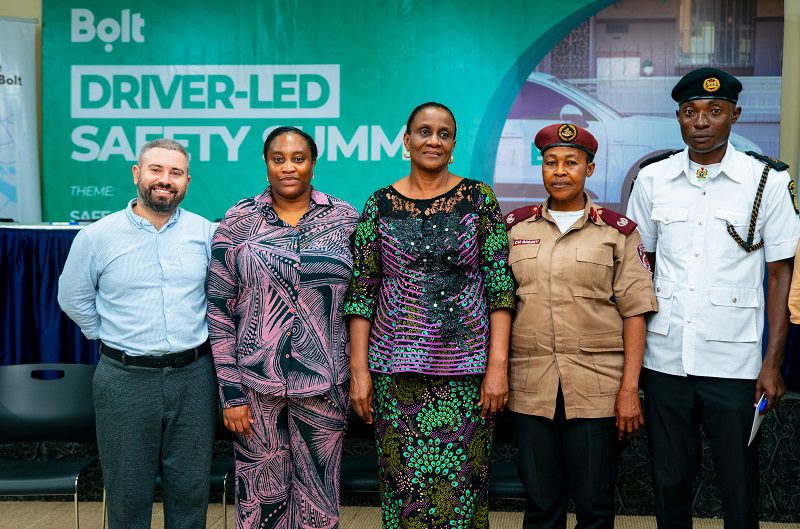
Over the next decade, Bolt said it expects riders to demand stronger safety measures, better service quality and more innovation in how platforms address Nigeria’s specific transportation challenges. It also expects greater recognition that driver-partners are not just users of the platform, as they are essential to its success and deserve to be treated accordingly.
“Bolt’s role in that future is to keep contributing meaningfully to the industry’s evolution. Not as the only voice, but as a committed and experienced one. The future of mobility in Nigeria will be shaped by collaboration between platforms, government, regulators, driver-partners and the communities we serve. After 10 years, we have built a foundation we are proud of. What drives us now is what we build on top of it,” the company said.
Source: